
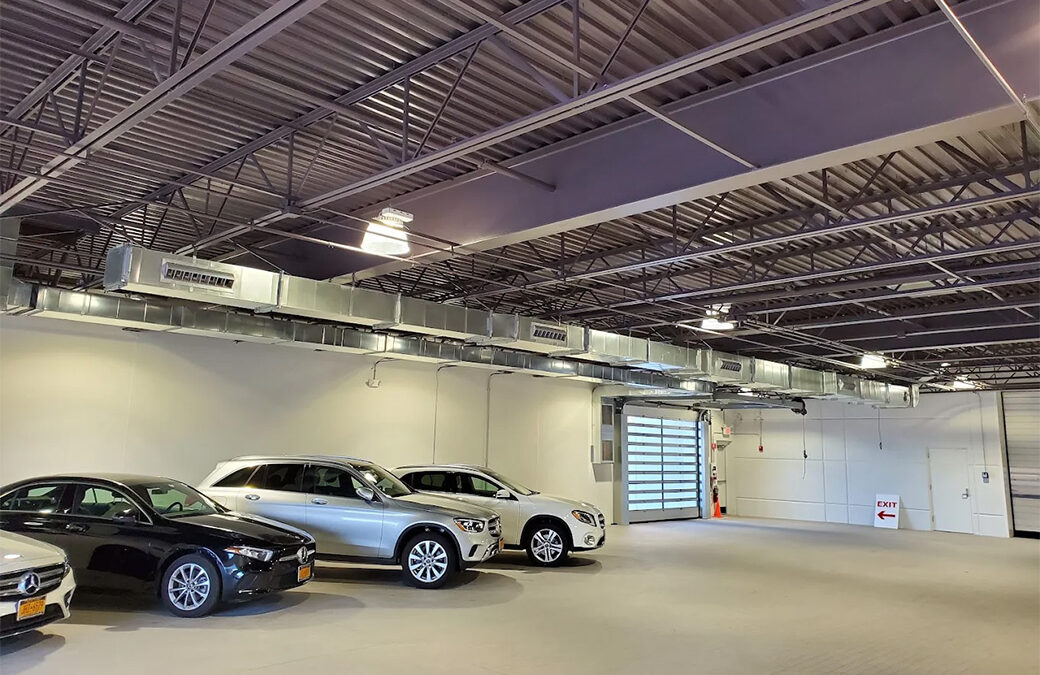
Mechanical rooms may not be the most visible areas of a commercial building, but their floors can take plenty of abuse. Maintenance traffic, tools, equipment, moisture, dirt and routine cleaning can all affect the concrete over time.
The best floor coating for a commercial mechanical room depends on the condition of the concrete and how the space is used. Moisture, spills, foot and equipment traffic, cleaning routines and the amount of downtime available for the project can all affect the right choice. Epoxy is one option for commercial concrete floors, but the existing floor and operating conditions should be evaluated before selecting a coating system.
For facility managers and commercial property owners on Long Island, the goal should be to choose a floor coating based on the actual demands of the room rather than simply selecting the product that sounds the toughest.
Why Mechanical Room Floors Need a Different Kind of Evaluation
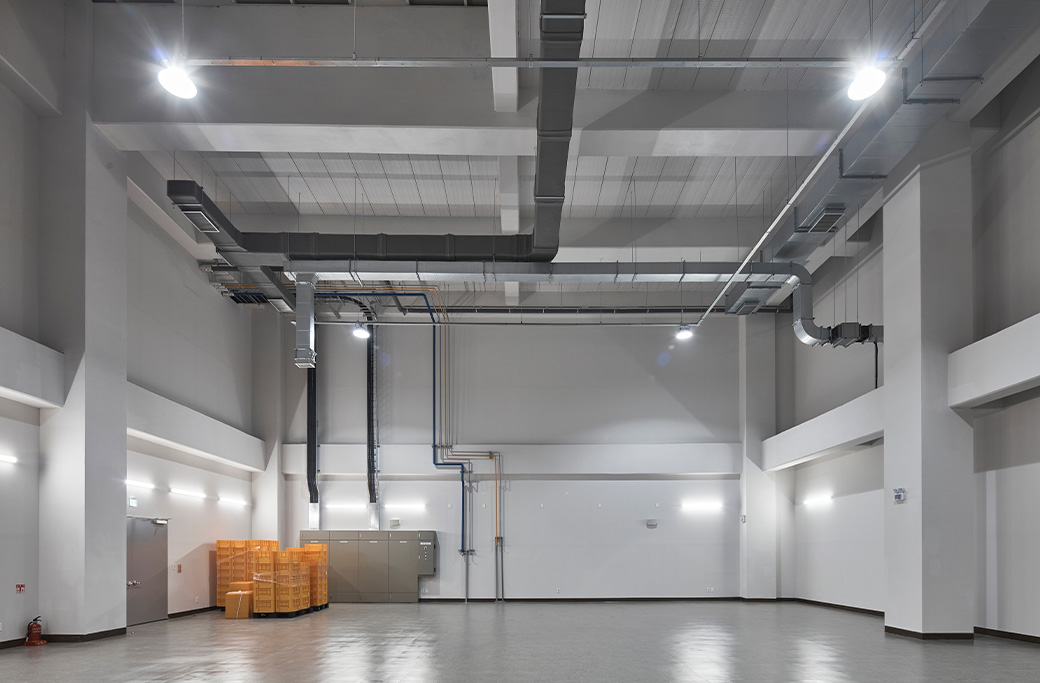
A mechanical room is a working space. Depending on the building, its floor may be exposed to:
-
- Regular maintenance traffic
- Tools, carts and equipment
- Water or condensation
- Oils, cleaners or other fluids
- Dirt and debris
- Previous repairs or coatings
- Routine cleaning
Those conditions can vary significantly from one building to another. That is why choosing a coating should begin with an evaluation of the existing floor and how the room is used.
Start With the Existing Concrete
Before considering a new coating, look at what is already there.
Are there cracks or chipped areas? Is an older coating peeling or wearing away? Are there stains or areas that are particularly difficult to keep clean? Does moisture regularly reach the floor?
The existing floor should be evaluated before coating. Dirt, damage, cracks or an old coating may require additional preparation before a new coating can be applied.
This is also a good time to identify previous repairs or recurring problems that a contractor should know about before work begins.
What Should a Facility Manager Consider When Choosing a Mechanical Room Floor Coating?
What Comes Into Contact With the Floor?
Mechanical rooms can be exposed to different substances depending on the building and equipment.
Before choosing a coating, identify the cleaners, oils, fluids or other substances that are likely to come in contact with the floor. That information can help determine which type of coating is appropriate for the space.
Avoid assuming that one coating is appropriate for every mechanical room simply because it is designed for commercial or industrial use.
How Much Traffic and Wear Does the Floor Receive?
Consider who and what regularly moves through the room.
A lightly accessed mechanical space may have very different requirements from a room where maintenance personnel frequently move tools, carts or equipment.
Think about normal operations rather than just how the room looks on the day of the estimate.
Does the Floor Regularly Get Wet?
Condensation, maintenance work, cleaning and other sources of moisture can affect mechanical-room floors.
If water or other liquids regularly reach the floor, tell the contractor where and how often that occurs. Traction, cleanability and the way the room is used should all be considered when selecting the floor finish.
How Is the Floor Cleaned?
Facility managers should also consider the building’s normal maintenance routine.
What cleaning products are used? How frequently is the floor cleaned? Are spills wiped up quickly, or are there areas where moisture tends to remain?
Sharing this information during the initial walkthrough gives the contractor a better understanding of the conditions the finished floor will encounter.
Floor Preparation Matters
The amount of preparation needed depends on the condition of the existing floor. Cracks, damaged areas, contaminants or an old coating may need to be addressed before a new coating is applied.
Because this preparation is eventually covered by the finished floor, it may not be the most visible part of the project, but it is an important part of planning the work.
When comparing proposals, facility managers should ask what floor preparation is included in the scope, not just how many coats will be applied.
Is Epoxy a Good Choice for a Mechanical Room Floor?
It can be.
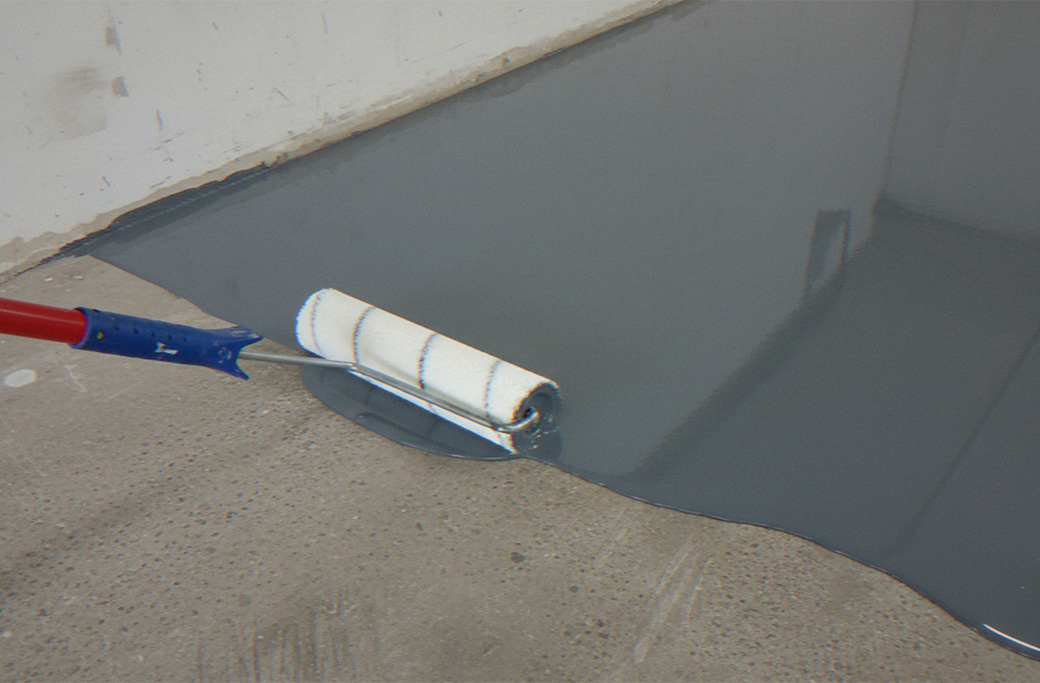
Epoxy is one option to consider for commercial concrete floors, including spaces that receive regular traffic and require a durable finished surface. However, whether it is appropriate for a particular mechanical room depends on the existing concrete and the conditions within that space. Rather than beginning with “Do I need epoxy?” a more useful question is:
What does this floor need to withstand during normal building operations?
From there, the contractor can evaluate the floor and discuss suitable coating options.
Excel Painting Services provides commercial epoxy flooring services in both Nassau County and Suffolk County.
Plan Around Building Operations
For a facility manager, the coating itself is only one part of the project. Access and scheduling also matter.
Before work begins, identify:
- Equipment that cannot be moved
- Areas that must remain accessible
- Maintenance or vendor access requirements
- Employee traffic through the space
- Sections that may be difficult to reach
- Operational periods when access is especially important
Providing this information during the walkthrough can help define a practical project scope.
The amount of time before a coated floor can return to use will depend on the coating system, site conditions and manufacturer requirements. Expected downtime should therefore be discussed before the project begins rather than assumed.
When Should You Consider Coating a Mechanical Room Floor?
You do not necessarily have to wait until the floor is in poor condition to start evaluating it.
A planned maintenance period, equipment replacement or building improvement project can provide an opportunity to assess the floor while other work is already being coordinated.
Other reasons to have the floor evaluated may include visible wear, peeling of an existing coating, cracks or damaged areas, or a surface that has become increasingly difficult to maintain.
What Should You Show the Contractor During a Walkthrough?
A useful walkthrough should include more than a quick look at the floor.
Point out recurring moisture, previous repairs, spills, cleaning procedures and areas with unusually heavy traffic. Also identify fixed equipment, access restrictions and portions of the room that must remain operational.
The more accurately the contractor understands how the space functions, the easier it is to discuss an appropriate scope of work.
Plan the Floor Around the Facility
A mechanical room floor should be evaluated as part of the working environment around it. The existing concrete, moisture, traffic, cleaning procedures, access requirements and normal building operations all help determine an appropriate approach.
If you are considering a commercial floor coating project on Long Island, Excel Painting Services can evaluate your project and discuss available options. Learn more about commercial epoxy flooring in Nassau County or commercial epoxy flooring in Suffolk County, or explore Excel’s broader commercial painting services.
Contact Excel Painting Services at (631) 242-0813 to discuss your commercial painting or floor coating project.
Common Questions About Mechanical Room Floor Coatings
Can an old mechanical room floor be coated?
Possibly. The existing concrete and any previous coating should be evaluated first. Cracks, damaged areas, contaminants or failing coatings may need to be addressed before a new coating is applied.
Does a mechanical room need to be empty before the floor is coated?
That depends on the room, the equipment and the planned scope of work. During the walkthrough, identify fixed equipment, areas that cannot be taken out of service, access routes and any sections of the floor that may be difficult to reach. The contractor can then determine what is practical for that particular project.
What if the mechanical room floor gets wet?
Tell the contractor where water, condensation or other liquids typically occur. Traction, cleanability and the way the room is used should all be considered when selecting the floor finish.
Will a coated floor be easier to maintain?
Maintenance requirements depend on the coating selected, the condition of the floor and how the room is used. If easier cleaning is one of your priorities, discuss your existing cleaning routine with the contractor when evaluating coating options.
How long before a coated floor can be used again?
There is no single answer. Timing varies by the coating system, site conditions and manufacturer requirements. Ask about expected downtime before the project begins so the work can be coordinated with building operations.
Recent Comments