
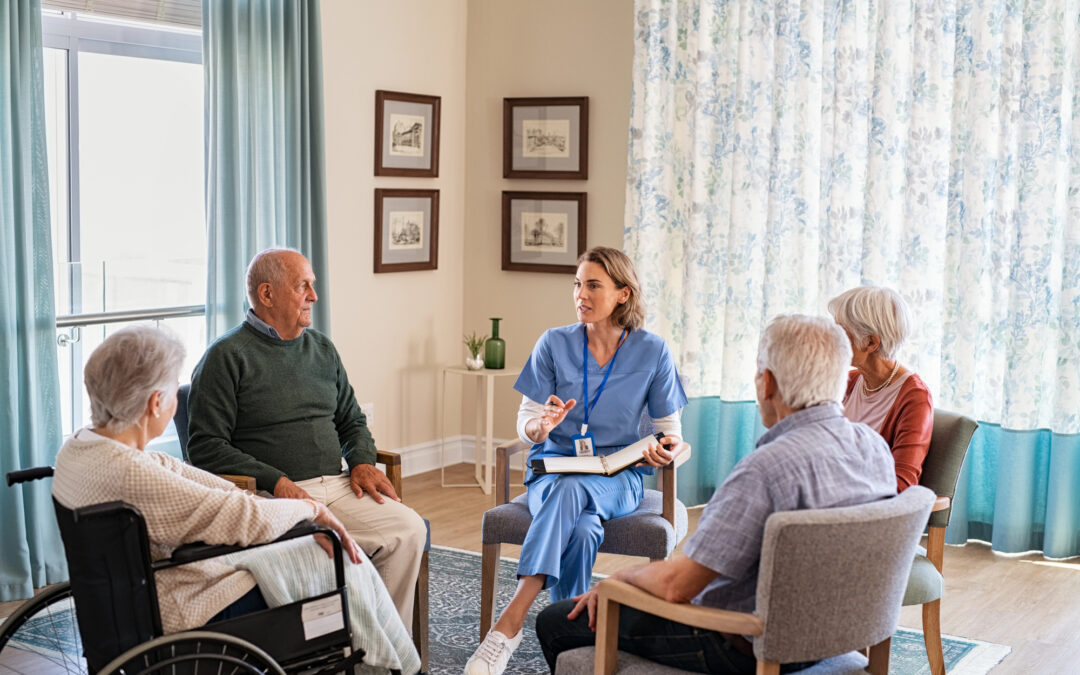
Walk into a well-run senior living community and you’ll notice something almost immediately. It feels clean. Not just “someone vacuumed this morning” clean, but genuinely cared for. That’s no accident.
Administrators and facility managers spend countless hours thinking about resident comfort, employee safety, maintenance schedules, and infection prevention. Every decision matters because the people living there often have health concerns that make even common illnesses more serious than they might be for the average adult.
One upgrade that’s becoming more common in senior living communities across Nassau County and Long Island is the use of microbicidal paint. At first glance, it looks like any other quality interior coating. The difference is what it’s designed to do after it dries.
While no paint replaces proper cleaning, handwashing, or good infection-control practices, certain EPA-registered microbicidal coatings can provide another layer of protection on painted surfaces. It’s one more tool that helps facilities create healthier indoor environments for residents, staff members, and visitors.
The Walls Are Touched More Than Most People Realize
People don’t usually think about walls as “high-touch” surfaces.
Doors? Absolutely.
Handrails? Of course.
Elevator buttons? Everyone notices those.
Walls around elevators, hallways, dining rooms, nurse stations, and common gathering areas? Those get touched hundreds of times every day without anyone giving them a second thought.
We’ve noticed that many facility managers begin looking at buildings differently once they start tracking how people actually move through them. Hands naturally land on walls when someone needs extra balance or simply pauses during a conversation.
Over weeks, months, and years, those surfaces become part of daily life.
That’s one reason commercial painting contractors have seen growing interest in coatings designed to help reduce certain bacteria on painted surfaces.
Why Infection Prevention Matters Even More in Senior Living
As people grow older, the immune system doesn’t always respond as quickly or as effectively as it once did. Something that causes minor discomfort for one person can become a much larger concern for an older adult.
Senior living communities also bring people together for meals, activities, therapy sessions, social events, and family visits.
That’s exactly what makes these communities wonderful places to live.
It’s also why facility maintenance requires thoughtful planning.
Reducing opportunities for bacteria to spread has become part of modern building management, right alongside routine cleaning, ventilation improvements, and scheduled maintenance.
Microbicidal paint simply adds another passive layer that continues working between regular cleanings.
What Exactly Is Microbicidal Paint?
The name sounds highly technical, but the concept is fairly straightforward.
Unlike traditional interior paint, certain EPA-registered microbicidal coatings are formulated to kill specific bacteria that come into contact with the painted surface. Some products have demonstrated the ability to kill up to 99.9% of certain bacteria within a specified time under laboratory testing and when used according to their labeled directions. They are designed to supplement, not replace, normal cleaning and disinfection practices.
That’s an important distinction.
These coatings aren’t air purifiers.
They don’t eliminate viruses floating through a room.
They don’t replace housekeeping staff.
Instead, they work quietly on the painted surface itself while the building continues operating normally.
For many senior living facilities, that extra layer of protection makes good sense.
Where These Coatings Make the Biggest Difference
One of the advantages of microbicidal paint is its versatility.
Commercial interior painters in Nassau County frequently work in buildings with many different types of rooms, each serving a unique purpose.
Some of the most common areas where facility managers choose these coatings include:
Resident Hallways
Hallways see constant traffic throughout the day. Residents, visitors, medical staff, maintenance personnel, and food service teams all move through these spaces repeatedly.
Those painted walls experience more contact than many people realize.
Dining Areas
Meals bring residents together several times each day.
Although proper food handling remains the primary defense against contamination, maintaining cleaner surrounding surfaces adds another level of confidence for both staff and families.
Nursing Stations
Nursing stations stay busy.
Charts are updated. Conversations happen. Equipment moves in and out throughout every shift.
Durable coatings help these workspaces remain attractive while supporting routine sanitation efforts.
Therapy and Activity Rooms
Senior communities often encourage active lifestyles through exercise programs, crafts, games, and social gatherings.
These shared environments naturally experience higher levels of interaction, making durable, washable wall finishes an excellent investment.
Staff Areas
Break rooms, offices, and employee gathering spaces deserve attention as well.
Healthy employees help create healthier communities.
Sometimes it’s the behind-the-scenes areas that quietly support everything happening out front.
Durability Is Another Major Benefit
Health considerations often get most of the attention, but facility managers usually appreciate another advantage just as much.
Quality commercial coatings are built to withstand frequent cleaning.
Walls inside senior living communities are cleaned far more often than those inside most office buildings or retail spaces.
Repeated washing can gradually wear down lower-quality paint, leading to fading, scuffing, or premature repainting.
Premium commercial coatings hold up better under daily use, helping facilities maintain an attractive appearance while extending maintenance cycles.
That’s good for residents.
It’s also good for long-term budgeting.
Planning Painting Projects Without Disrupting Residents
Painting an occupied senior living facility requires thoughtful scheduling.
Residents shouldn’t feel like they’re living inside a construction project.
Experienced commercial painters often work with administrators to complete projects in carefully planned phases.
That might include:
- Completing one wing at a time.
- Scheduling work during lower-traffic hours.
- Coordinating around activity calendars.
- Using low-odor products whenever appropriate.
- Keeping entrances and emergency access routes clear.
A little planning goes a long way toward making improvements feel almost invisible.
Well…almost. Fresh paint has a way of getting noticed for all the right reasons.
Commercial Interior Painting Services
Weather Still Plays a Role…Even Indoors
People sometimes assume interior commercial painting has nothing to do with the weather.
Around Long Island, that’s not always true.
Nassau County experiences humid summers, chilly winters, and noticeable seasonal swings. Those changing conditions influence indoor humidity levels, HVAC performance, and even drying times during large painting projects.
Professional commercial painting contractors often schedule projects with those seasonal conditions in mind, helping coatings cure properly while minimizing disruption to residents and staff.
Common Questions Facility Managers Ask
Does microbicidal paint replace regular cleaning?
No.
Routine cleaning, disinfecting, and proper hygiene remain essential. Microbicidal coatings are intended to supplement those existing practices rather than replace them.
How long do these coatings last?
Like any commercial coating, longevity depends on surface wear, cleaning frequency, and routine maintenance. Many facilities include repainting as part of their long-term maintenance schedules.
Can these coatings be used throughout the building?
Many can be applied in resident rooms, hallways, dining spaces, offices, and common areas when used according to the manufacturer’s specifications.
Is repainting a good time to upgrade?
Absolutely.
If walls already need refreshing, discussing specialty coatings during the planning process often makes sense.
Looking Ahead
Senior living communities across Nassau County continue looking for practical ways to create comfortable, welcoming spaces while supporting resident health. Microbicidal paint won’t solve every challenge on its own, but it can become another valuable piece of a thoughtful facility maintenance strategy.
If your community is planning interior updates, talking with experienced commercial painting contractors about specialty coatings can help you understand which products are appropriate for your building, your residents, and your long-term maintenance goals.
For additional guidance on infection prevention in long-term care settings, the New York State Department of Health provides valuable resources for healthcare and senior living facilities through its infection control guidance and long-term care information.
When the time comes to refresh your facility, partnering with experienced professionals who understand commercial environments can make the process smoother from planning through completion, while helping your building continue looking its best for everyone who walks through the front door.
Recent Comments